
CLINIC BLOGS


MENTAL HEALTH EDUCATION ADVICE AND TIPS
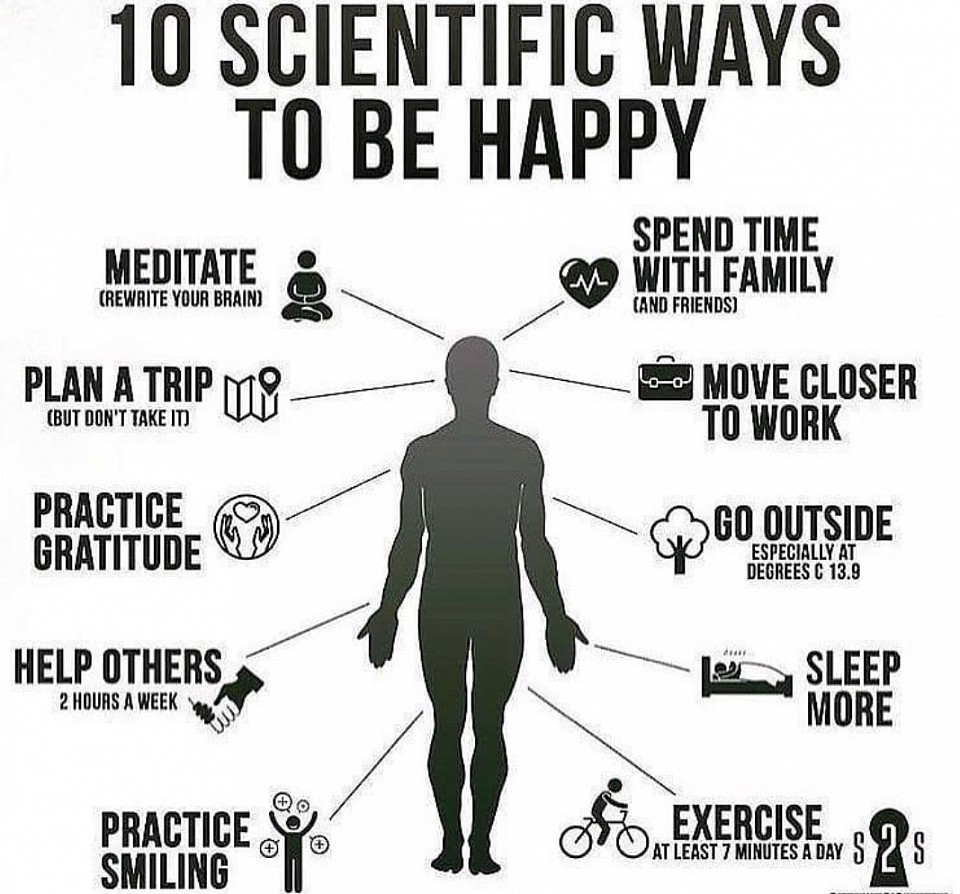
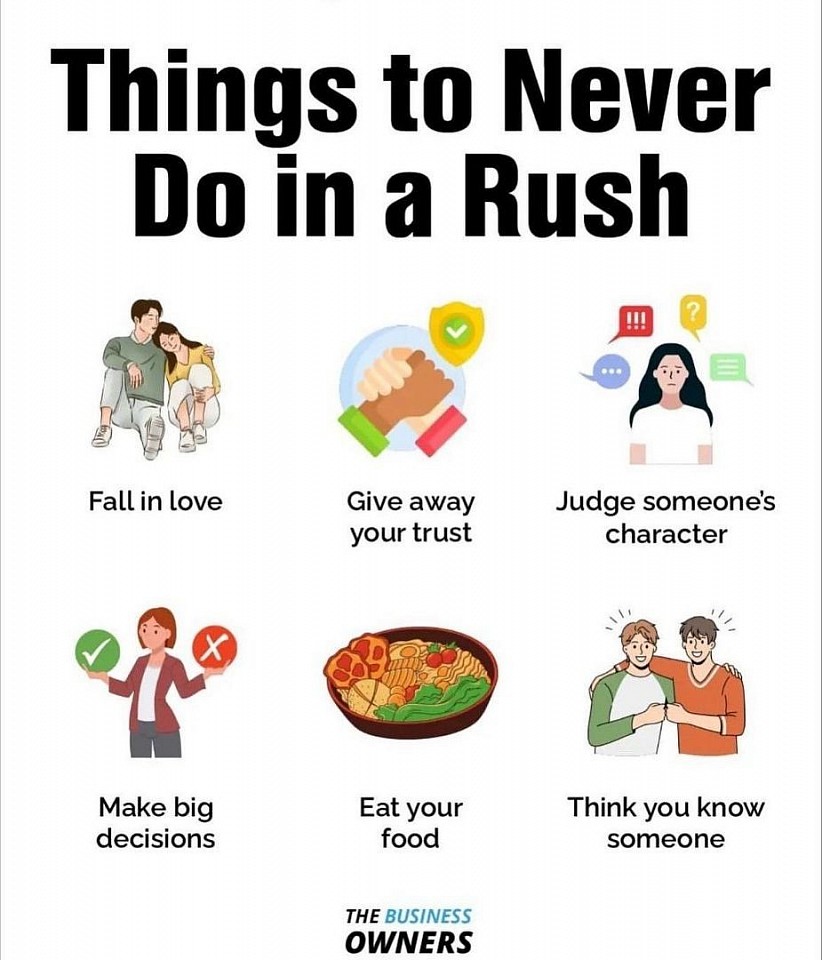
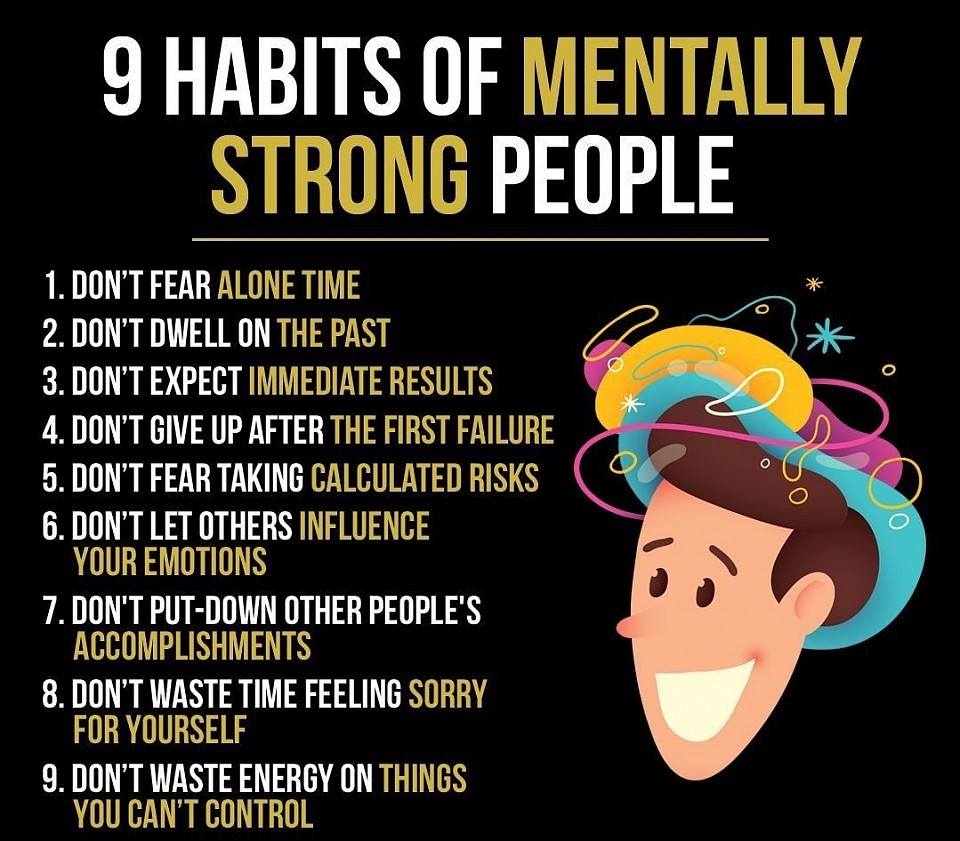
Mental health is a vital aspect of our overall wellbeing, and it's essential to prioritize it. Here are some key aspects of mental health:
1. Emotional wellbeing: Managing emotions, coping with stress, and developing resilience.
2. Psychological wellbeing: Developing a positive self-image, building self-esteem, and fostering a growth mindset.
3. Social connections: Nurturing relationships, building strong support networks, and practicing effective communication.
4. Cognitive functioning: Developing problem-solving skills, improving focus, and enhancing cognitive flexibility.
5. Trauma and stress: Coping with adversity, processing traumatic experiences, and developing stress management techniques.
Common mental health conditions include:
1. Anxiety disorders (e.g., generalized anxiety, panic disorder)
2. Mood disorders (e.g., depression, bipolar disorder)
3. Personality disorders (e.g., borderline personality disorder)
4. Psychotic disorders (e.g., schizophrenia)
5. Trauma-related disorders (e.g., PTSD)
Remember, mental health is just as important as physical health, and seeking help is a sign of strength, not weakness.
If you're struggling with your mental health, consider reaching out to:
1. Mental health professionals (therapists, counselors, psychologists)
2. Support groups (online or in-person)
3. Helplines and hotlines (e.g., Blessed medical clinic-Isingiro Help line : 0774386324)
4. Online resources (e.g., mental health apps, websites, and forums)
Take care of your mental health – you deserve it!

Health advice and tips
On the question about what is best on,
1. Drink before eating food
2. Drink while eating food
3. Drink after eating food
According to digestive health, the best approach is:
1. First eat, then drink
This approach allows for:
- Proper digestion: Food is broken down efficiently, and digestive enzymes can work effectively without being diluted by excessive liquids.
- Better nutrient absorption: Nutrients are absorbed more effectively when food is digested properly, and liquids are consumed afterwards.
- Reduced discomfort: Drinking after eating can help prevent discomfort, bloating, and gas, which can occur when liquids are consumed during meals.
Drinking while eating can lead to:
- Dilution of digestive enzymes
- Reduced nutrient absorption
- Discomfort, bloating, and gas
Drinking before eating can lead to:
- Overhydration, potentially causing discomfort during meals
- Reduced appetite, potentially leading to inadequate nutrition
Remember, individual needs may vary, and it's essential to listen to your body and adjust according to your unique digestive health requirements. If you have specific concerns, consult a healthcare professional or registered dietitian for personalized advice.
Health Tips and advice
Here are some general health advice and tips:
1. *Stay hydrated*: Drink plenty of water throughout the day (at least 8 cups).
2. *Eat a balanced diet*: Focus on whole foods, fruits, vegetables, whole grains, lean proteins, and healthy fats.
3. *Exercise regularly*: Aim for at least 30 minutes of moderate-intensity physical activity most days of the week.
4. *Get enough sleep*: Aim for 7-9 hours of sleep each night to help your body and mind recharge.
5. *Manage stress*: Try stress-reducing techniques like meditation, deep breathing, or yoga.
6. *Practice good hygiene*: Wash your hands frequently, especially during cold and flu season.
7. *Stay up-to-date on vaccinations*: Consult your healthcare provider about recommended vaccinations.
8. *Limit screen time*: Aim for less than 2 hours of recreational screen time per day.
9. *Get regular check-ups*: Visit your healthcare provider annually for a physical and health check.
10. *Don't smoke*: Smoking is a significant risk factor for many health problems.
11. *Limit alcohol consumption*: Drink in moderation (up to 1 drink per day for women and up to 2 drinks per day for men).
12. *Practice safe sex*: Use protection and get tested regularly for sexually transmitted infections (STIs).
13. *Take breaks and move*: Take short breaks throughout the day to stretch and move your body.
14. *Get some fresh air*: Spend time outdoors and take advantage of natural light and fresh air.
15. *Wash your hands after using the bathroom*: This helps prevent the spread of bacteria and illness.
Remember, it's essential to consult with a healthcare professional before making significant changes to your lifestyle or if you have specific health concerns.
What specific area of health would you like to explore further?
